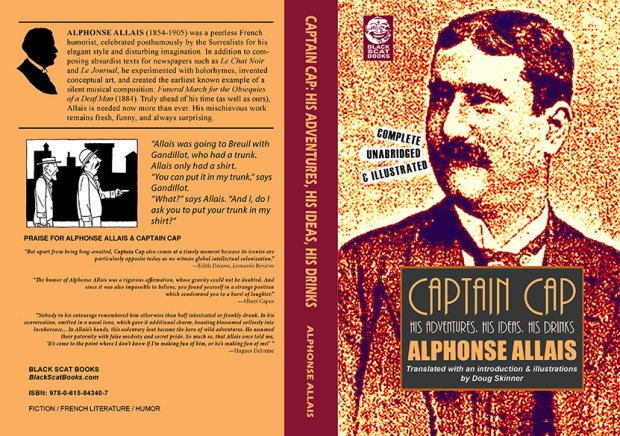
We’ve jumped the gun and released our mammoth deluxe trade paperback edition of Alphonse Allais’s CAPTAIN CAP: HIS ADVENTURES, HIS IDEAS, HIS DRINKS—translated by Doug Skinner. This is the complete & unabridged edition of the original 1902 French classic. 370 pages, including eight uncollected “Captain Cap” stories, plus a “Cappendix” of rare historical pictures.
The book is profusely illustrated with witty drawings by Doug Skinner, in addition to his extensive notes on the translation and swashbuckling introduction.
If you missed any of the limited edition capsized Captain Cap chapbooks in our Absurdist Texts & Documents series, you can get the whole kit and caboodle now, plus oodles more.
***
ALPHONSE ALLAIS (1854-1905) was a peerless French humorist, celebrated posthumously by the Surrealists for his elegant style and disturbing imagination. In addition to composing absurdist texts for newspapers such as Le Chat Noir and Le Journal, he experimented with holorhymes, invented conceptual art, and created the earliest known example of a silent musical composition: Funeral March for the Obsequies of a Deaf Man (1884). Truly ahead of his time (as well as ours), Allais is needed now more than ever. His mischievous work remains fresh, funny, and always surprising.
DOUG SKINNER has written numerous scores for theater and dance, particularly for actor/clown Bill Irwin (The Regard of Flight). His articles, cartoons, and translations have appeared in The Fortean Times, Fate, The Anomalist, Nickelodeon, Weirdo, Black Scat Review, and other periodicals. His translation of Isidore Isou’s Considerations on the Death and Burial of Tristan Tzara was published by Black Scat Books.
***
ARE YOU IN THE UK? CLICK HERE TO ORDER
ARE YOU IN FRANCE? CLICK HERE TO ORDER
ARE YOU IN GERMANY? CLICK HERE TO ORDER
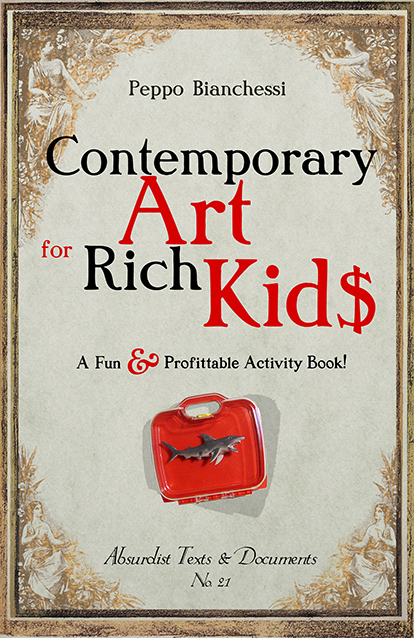


 Peppo Bianchessi is a multimedia artist from Italy. He is a “mittel-European”, a funny intellectual strongly influenced by Japanese culture. In Italy, Multimedia Artists have been around since the Renaissance and, before Apple Computers and multi-tasking, they were simply called Renaissance Men. When he was 20, Peppo went to the Venice Art Biennale for the first time. He was surprised to see that some of the so-called “young artists” were over 50. Recently he returned to Venice and discovered some teenagers were considered “young artists.” Peppo is now 45 years old and has never been a young artist. And it’s probably too early to consider him an Old Master, but he’s working on it. That is, to become old, not a Master. On many occasions he has tried to be a contemporary artist, but his timing was always wrong. Thus, he has accepted his real vocation: undermining the education of children (and adults) through funny and provocative books.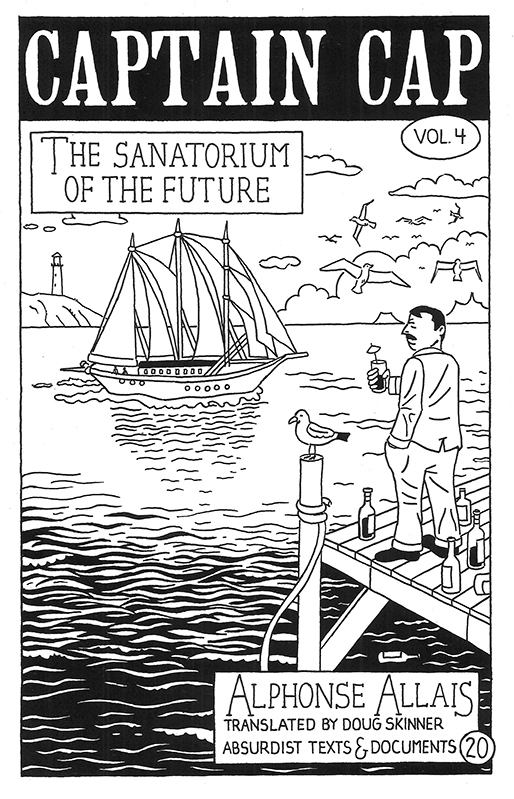


 P
P


 blackscatbooks.com