
The book Black Scat was born to publish!
 Francisque Sarcey was the most influential drama critic in 1890s Paris — and the most conservative. He famously dismissed Alfred Jarry‘s Ubu Roi as “a filthy fraud that deserves nothing but the silence of contempt.” The brilliant humorist Alphonse Allais transformed Sarcey into an Ubuesque piñata in a series of columns published under Sarcey’s name in the newspaper Le Chat Noir.
The pseudo-Sarcey became a prattling idiot, bragging about his appetite and complaining about his impotence, a memorable comic character who often eclipsed the original. This sustained journalistic prank — compiled and translated by Doug Skinner — is destined to become a classic of black humor.
Add this gem to your collection and celebrate April Fools all year long.
I AM SARCEY
Alphonse Allais
Translated from the French by Doug Skinner
Includes an introduction and complete notes on the text
$12.95 / trade paperback, 218 pp.,
BUY NOW
***
CLICK HERE to view all the titles in our Alphonse Allais Collection.
And here’s a GIFT, the April Fools Issue of LE SCAT NOIR.
PREVIEW AND DOWNLOAD HERE
 Looking ahead (no pun intended) to April, it’s going to be a Scatastic month. Back in 2013, we issued a little limited edition chapbook titled HOW I BECAME AN IDIOT by Francisque Sarcey. It was actually written by the brilliant French humorist Alphonse Allais, who signed Sarcey’s name to a series of columns that appeared in the bohemian journal Le Chat Noir. Sarcey, a well-known drama critic, became the butt of jokes among the literati for his stodgy, conservative views (e.g., he blasted Alfred Jarry‘s absurdist classic UBU ROI).


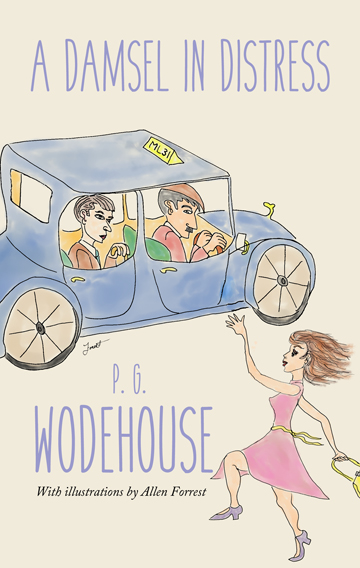
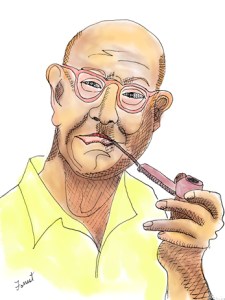 Sir Pelham Grenville Wodehouse (1881 – 1975) was one of the most popular humorists of the twentieth century. The author of nearly 100 books, he is best known as the creator of the Bertie Wooster and Jeeves series and the novels and stories set at Blandings Castle. In the words of Evelyn Waugh, “Mr. Wodehouse’s idyllic world can never stale. He will continue to release future generations from captivity that may be more irksome than our own. He has made a world for us to live in and delight in.” Indeed, in the wondrous land of Wodehouse a faux pas often constitutes a crisis and the farce of human foibles rules the realm. The master’s intricately designed plots are peppered with potholes for his characters to stumble over, the street signs have all been mischievously switched and identities mistaken – yet all roads lead to a happy end.

 blackscatbooks.com