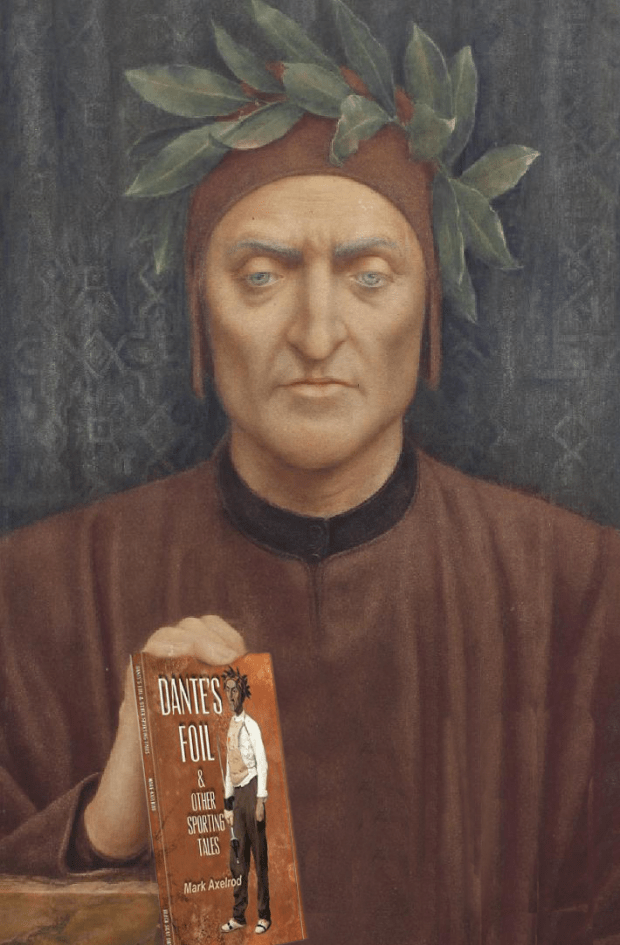
This collection of sporting tales mashes literary history and sports lore into a satirical inferno—skewering academic jargon and postmodern analysis with a razor-sharp, poison-tipped foil. Axelrod mischievously injects the ancients with steroids and offers statistics to prove how little we know about the origin of our favorite pastimes. Inside you’ll discover the “Baudelaire-Bird Connection or, How the Boston Celtics Got To Be That Way”; the obscure “Russian Sport of Face Slapping”; “Metaleptic Parabasis or, the Fine Art of High Jumping”; “Jai-Alai Machu Picchu,” and many other strange feats of Physical Lit-ness. Arm yourself with these tales and head to the nearest sports bar or poetry reading and laugh your ass off.
Dante’s Foil & Other Sporting Tales
by mark axelrod
150 pp., trade paperback, $12.95

 Francisque Sarcey was the most influential drama critic in 1890s Paris — and the most conservative. He famously dismissed Alfred Jarry‘s
  Looking ahead (no pun intended) to April, it’s going to be a Scatastic month. Back in 2013, we issued a little limited edition chapbook titled HOW I BECAME AN IDIOT by Francisque Sarcey. It was actually written by the brilliant French humorist Alphonse Allais, who signed Sarcey’s name to a series of columns that appeared in the bohemian journal Le Chat Noir. Sarcey, a well-known drama critic, became the butt of jokes among the literati for his stodgy, conservative views (e.g., he blasted Alfred Jarry‘s absurdist classic UBU ROI).


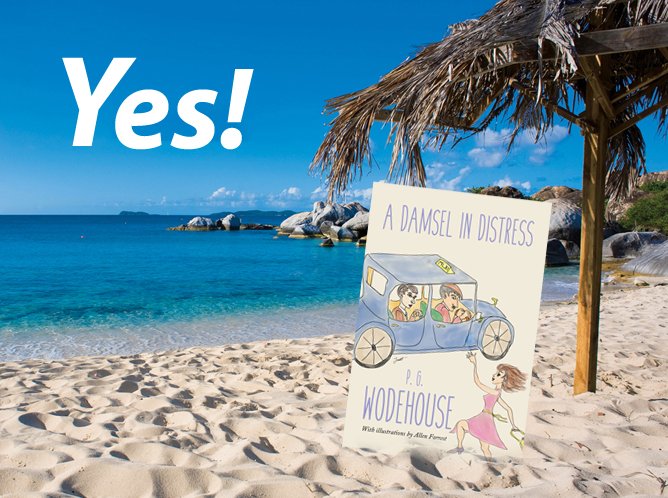
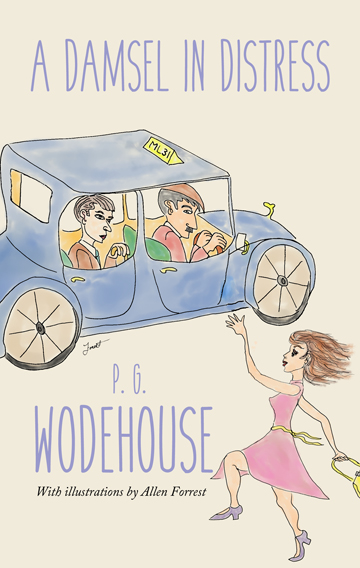
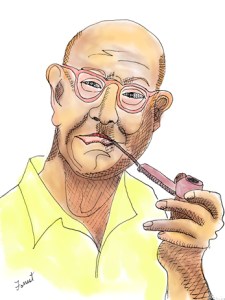 Sir Pelham Grenville Wodehouse (1881 – 1975) was one of the most popular humorists of the twentieth century. The author of nearly 100 books, he is best known as the creator of the Bertie Wooster and Jeeves series and the novels and stories set at Blandings Castle. In the words of Evelyn Waugh, “Mr. Wodehouse’s idyllic world can never stale. He will continue to release future generations from captivity that may be more irksome than our own. He has made a world for us to live in and delight in.” Indeed, in the wondrous land of Wodehouse a faux pas often constitutes a crisis and the farce of human foibles rules the realm. The master’s intricately designed plots are peppered with potholes for his characters to stumble over, the street signs have all been mischievously switched and identities mistaken – yet all roads lead to a happy end.
 blackscatbooks.com