Spring Fever!

Spring Fever hath sprung with the special “Goddess Issue” of TYPO—packed with an international cast of luminaries: Tim Newton Anderson; Tom Bradley; Anton Chekhov; Norman Conquest; Caroline Crépiat; R J Dent; Max Ernst; Eurydice Eve; Luc Fierens; Leonor Fini; Théophile Gautier; Harold Jaffe; Amy Kurman; Lo; Michael Maier; Dmitri Manin; Elena Marini; Lilianne Milgrom; Opal Louis Nations; Marty Newman; Claudio Parentela; Angeleaux Pastormerleaux; Paul Rosheim; Jasia Reichardt; Doug Skinner; Phil Demise Smith; Tabarin; Lono Taggers; Corinne Taunay; Shyam Thandar; Stefan Themerson; Konstantin Vaginov, and Gregory Wallace.

IN THIS ISSUE:

·     TYPOGLYPHICS

·     THE LOVES OF PHARAOH

·    GODDESS OF NOIR

·     MAX ERNST & LEONOR FINI LOVE LETTERS

·     MEXICO’S SURREALIST GODDESSES

·     SEXY PRINTER ORNAMENTS

·     THE LOUIS XIII JOKESHOP

·     CONJOINING WORDS

·     SEMANTIC POETRY

·     THE WOMEN OF ROME

·     A BILINGUAL ACROSTIC REBUS

and much more

TYPO #5: The International Journal of Prototypes
edited by Norman Conquest
trade paperback; 152 pp., illustrated; $20
ISBN 979-8-9894330-5-6

SURREAL DEAL

“There is another world and it is in this one.”

—Paul Éluard

Paul Éluard’s Capital of Pain (Capitale de la douleur ) appeared in 1926 and established his reputation as the preeminent French surrealist poet. 

Éluard’s surrealist vision is illuminated by a painter’s eye; his imagery includes light, surfaces, reflections, sunlight, mirrors, halos and radiance, although he deploys them to evoke suffering, despair and emptiness. Details of the poet’s personal life are found in this collection’s two-part central poem, In the Flame of the Whip. Each line crackles with irrepressible power – resembling the criss-cross lash marks left on human flesh by the whip.

Both sides of the mirror are exposed in Capital of Pain – the reflective surface and the tain on its reverse side. The mirror is, of course, Éluard himself, because, as the collection’s title suggests, it reveals the poet’s private anguish and personal agony.

Paul Éluard was a dedicated and devoted surrealist who championed the juxtaposition of distinct elements and the play of dualities which give surrealist poetry its profundity and vitality. As readers, we are fortunate he chose to expose the mysterious and hidden aspects of his life with lyrical brilliance.


“…it is gratifying to find a collection of Paul Éluard’s poetry translated into English by R. J. Dent, and published (with a glorious cover!) by Black Scat Books – one of the last publishers to keep the flag of Olympia, Éditions Jean-Jacques Pauvert and Grove Press flying, with new writing as well as classics of Surrealism, the Absurd, Dada, Erotica and ‘Pataphysics…. All in all, Dent, a poet and novelist in his own right, demonstrates clearly the truth of the old maxim, it takes a poet to translate a poet.” —Reese Saxment, Surrealerpool

CLICK HERE to read the complete review.


Capital of Pain
Paul Éluard
Translated from the French by R J Dent
paperback; 132 pp., $14


Anna Karina holding Éluard’s Capitale de la douleur in
Godard’s classic film Alphaville.


DADA LIVES AGAIN!

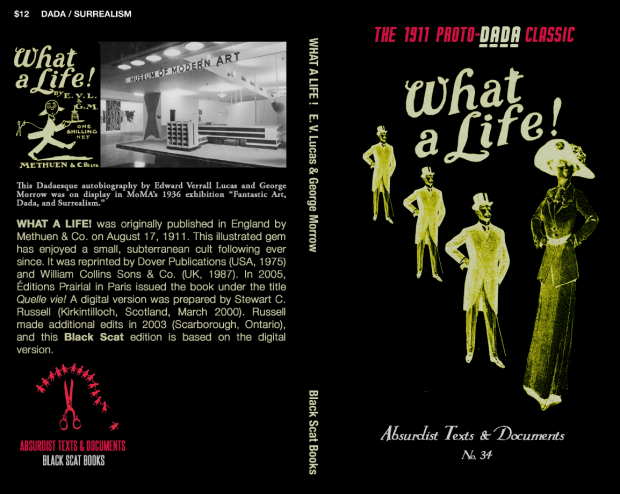
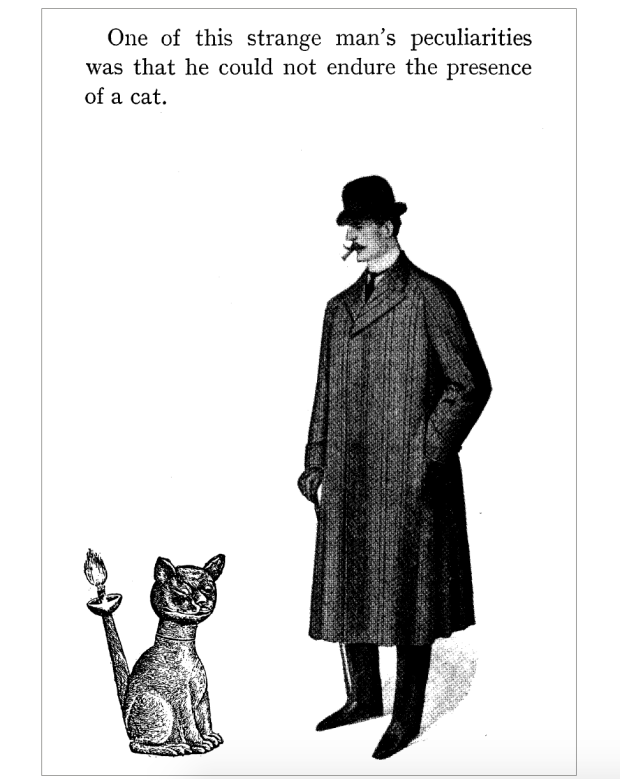
On August 17 1911—seven years before Max Ernst took up scissors and paste to create his early Dada  art—WHAT A LIFE! was published in London by Methuen & Co. The authors, Edward Verrall Lucas (humorist & travel writer) and George Morrow ( illustrator and regular contributor to Punch), produced their satirical pictorial autobiography using illustrations cut from the pages of Whiteley’s General Catalogue. This inspired act of vandalism was a precursor to many works of avant-garde collage art and satire.

Long out of print in the U.S., Black Scat is proud to  bring this proto-Dada classic  back to life as #34 in our Absurdist Texts & Documents series.

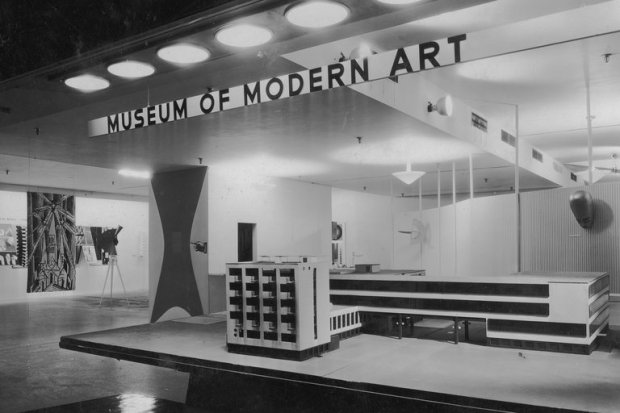
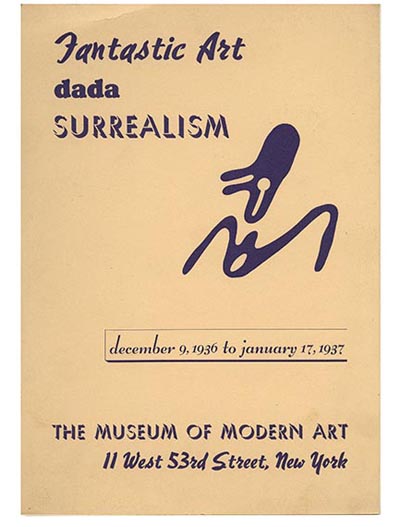
WHAT A LIFE ! was  exhibited at MoMA’s 1936 “Fantastic Art, Dada, and Surrealism” show.


WHAT A LIFE! seems to have made little impression, either in England or in France, even though it has the remarkable distinction of being illustrated solely by collages drawn from the catalogue of a large department store in London (Whiteley’s), and therefore of being—as much by the images as by the text that they comment on—one of the first manifestations of that spirit we call “modern.” Raymond Queneau, Bâtons, chiffres et lettres (1950)


What a Life!
E. V. Lucas & George Morrow

Absurdist Texts & Documents – No. 34
Perfect-bound,  illustrated; 134 pages
$12
click here to grab a copy on Amazon